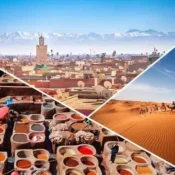
Uncovering the Charm of Casablanca Local Markets
While the city is known for its modern skyline, the Casablanca local markets offer a vibrant window into the traditional soul of Morocco. Exploring these bustling hubs is an essential part of any visit, providing a sensory journey through piles of aromatic spices, hand-woven textiles, and intricate metalwork. In 2026, these markets remain the best place to witness the daily rhythm of the city, where locals gather to haggle for the freshest produce and artisans showcase their timeless crafts. Navigating these labyrinthine alleys allows travelers to move beyond the tourist surface and engage directly with the authentic culture of the White City.
Visiting Casablanca local markets is as much about the atmosphere as it is about the commerce. Whether you are wandering through the historic Old Medina or the more organized streets of the New Medina, each market has its own distinct personality. These areas are the lifeblood of the community, serving as central meeting points for generations. By taking the time to explore these spaces, you gain a deeper appreciation for the craftsmanship and hospitality that define the Moroccan experience. A guided visit ensures you find the most reputable stalls while learning the etiquette of local trade.
Book your private shopping tour today and let Yassmine Trip lead you to the most vibrant Casablanca local markets for an unforgettable morning of discovery.
The Elegance of Habous Quarter Shopping
For those looking for a more relaxed and aesthetic environment, Habous Quarter shopping is an absolute highlight. Built in the early 20th century to resemble a traditional medina but with wider streets and cleaner layouts, this neighborhood is home to some of the city’s finest boutiques. Here, you can find high-quality leather goods, traditional clothing (Djellabas), and the famous Moroccan olives. Habous Quarter shopping is perfect for travelers who want to enjoy the traditional bazaar feel without the overwhelming crowds of larger Moroccan cities, allowing for a more focused and peaceful browsing experience.
One of the unique aspects of Habous Quarter shopping is the proximity to master bookbinders and copper artisans. As you stroll through the arched stone walkways, you can hear the rhythmic sound of hammers hitting metal, a testament to the living heritage of the area. This district is also famous for its traditional bakeries, like Bennis Habous, where you can pause your shopping to sample some of the best Moroccan pastries in the country. It is a sophisticated way to experience the local commercial culture in a setting that feels like a film set.
Finding Authentic Moroccan Souvenirs
The quest for authentic Moroccan souvenirs often leads travelers to the heart of the Old Medina. Unlike the more polished shops in modern districts, the stalls here offer everything from hand-knotted Berber rugs to delicate filigree lamps. Knowing where to look is key to finding authentic Moroccan souvenirs that are truly handmade by local craftsmen rather than mass-produced. From the vibrant slippers (babouches) to organic Argan oil products, the variety is endless, ensuring that you find a meaningful piece of Morocco to take home with you.
To ensure you are getting authentic Moroccan souvenirs, it is often helpful to watch the artisans at work. Many shops in the Casablanca local markets have small workshops in the back where you can see the dedication required to produce a single ceramic plate or a leather bag. This connection to the maker adds immense value to your purchase, turning a simple object into a story of your travels. Support for these local craftsmen helps preserve the skills that have been passed down through families for centuries, keeping the cultural heritage of Casablanca alive.
- Discover hidden spice stalls in the Casablanca local markets for the freshest saffron.
- Enjoy the tranquil atmosphere of Habous Quarter shopping near the Royal Palace.
- Learn how to identify authentic Moroccan souvenirs made from real cedar and leather.
- Sample local delicacies like Moroccan pancakes (Msemmen) while you browse.
Tips for a Successful Market Visit
When visiting Casablanca local markets, it is best to start your journey early in the morning when the energy is high and the products are most abundant. Remember that haggling is a traditional part of the experience, but always approach it with a smile and a sense of respect. Combining a trip to the markets with a visit to a local café for mint tea provides the perfect balance of activity and relaxation. In 2026, these markets continue to be a safe and welcoming environment for international guests, especially when accompanied by a guide who can translate the local dialect and history.
For more information on the history of Moroccan commerce, you can read about the history of Souks or check the official tourism guidelines for shopping in North Africa.
Conclusion: A Sensory Celebration
In conclusion, the Casablanca local markets are the true heart of the city’s social and economic life. Whether you prefer the architectural beauty of Habous Quarter shopping or the raw energy of the Old Medina, you are guaranteed to find authentic Moroccan souvenirs that capture the spirit of your journey. These markets are more than just places to buy goods; they are places of connection, history, and art. Start your Casablanca adventure with Yassmine Trip and discover the best shopping secrets the White City has to offer.