Exploring the Art Deco District Casablanca: A Journey Through Time
The Art Deco District Casablanca is often described as an open-air museum, showcasing a unique era where European avant-garde met North African tradition. Developing rapidly in the early 20th century, this area became a playground for visionary architects who blended geometric precision with local flair. Walking through these streets today offers a glimpse into the “White City’s” transformation from a small port into a global metropolis. For the 2026 traveler, the district remains the cultural heartbeat of the city, offering a sophisticated contrast to the traditional medinas found elsewhere in Morocco.
When you wander through the Art Deco District Casablanca, you are witnessing a rare architectural harmony. The wide, palm-lined boulevards are flanked by buildings featuring ornate balconies, wrought-iron details, and grand entrances. This urban landscape is the result of a deliberate effort to create a modern city that respected its surroundings, making it a focal point for anyone interested in urban planning and history. Navigating these streets with a specialist allows you to uncover the stories hidden behind the weathered yet elegant facades of the colonial era.
Experience the Art Deco District Casablanca on a customized private tour that highlights the architectural evolution of this coastal giant.
The Magic of Casablanca Heritage Walks
To truly absorb the atmosphere of the city center, participating in Casablanca heritage walks is a must. These guided explorations take you beyond the main tourist attractions and into the quiet residential streets where the most impressive buildings are tucked away. From the iconic Cinéma Rialto to the majestic Wilaya building, Casablanca heritage walks provide the historical context needed to appreciate why this city was once considered the “Paris of Africa.” It is an immersive experience that engages your senses through the sights of white-washed walls and the sounds of bustling tramways.
One of the highlights of Casablanca heritage walks is visiting the Place Mohammed V, the administrative heart of the city. Here, the scale of the architecture is breathtaking, reflecting the ambition of the early 20th-century designers. Expert guides can point out the subtle transitions between different styles, showing how the city grew layer by layer. For those seeking an authentic Casablanca heritage walk, focusing on the preservation efforts of local associations adds a meaningful layer to your visit, as you see how these historic structures are being adapted for modern use.
Understanding Neo-Moorish Architecture
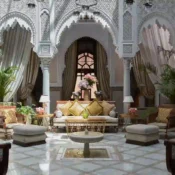
What sets the Art Deco District Casablanca apart from its counterparts in Miami or Paris is the stunning influence of Neo-Moorish architecture. This style, also known as Mauresque, intentionally integrated traditional Moroccan elements—such as zellij tilework, horseshoe arches, and carved cedar wood—into modern concrete structures. The result is a hybrid aesthetic that feels both futuristic and ancient. Neo-Moorish architecture served as a bridge between cultures, creating a visual language that defined the Moroccan urban identity during the protectorate period.
As you explore the Art Deco District Casablanca, look closely at the details on the windows and doorways. You will see Neo-Moorish architecture reflected in the intricate plasterwork that mimics the designs found in the palaces of Fes, yet applied to a 1930s apartment block. This blend is particularly evident in the “New Medina” or Habous district, which was designed to look like a traditional city but with modern sanitary and urban standards. This unique aesthetic is why Casablanca remains a primary destination for architecture students and history enthusiasts worldwide.
- Admire the fusion of styles at the Casablanca Post Office, a prime example of Neo-Moorish architecture.
- Join specialized Casablanca heritage walks to find the most beautiful hidden courtyards.
- Visit the legendary Hotel Lincoln to see the ongoing restoration of the city’s historic icons.
- Photograph the striking white facades that gave the Art Deco District its famous nickname.
Why Visit the Art Deco District in 2026?
In 2026, Casablanca is undergoing a cultural renaissance, with many historic buildings in the Art Deco District being converted into boutique hotels, galleries, and cultural spaces. This revitalization makes it an even more compelling time to visit, as the district regains its former glamour. By choosing professional Casablanca heritage walks, you support the local economy and the continued preservation of this Neo-Moorish architecture. It is a chance to see a city in transition, where history is not just remembered but lived.
For more technical details on the architectural movements of the era, you can explore the Art Deco Overview or visit the Fondation Hassan II for insights into Moroccan cultural preservation.
Conclusion: The Timeless Charm of Casablanca
The Art Deco District offers a sophisticated journey for those who want to see the “real” Morocco beyond the desert dunes. Through Casablanca heritage walks and the study of Neo-Moorish architecture, you gain a deep appreciation for the city’s complex and beautiful history. It is a place where every corner tells a story of innovation and tradition. Book your Casablanca private tour today and let Yassmine Trip lead you through the elegant streets of the world’s most famous Art Deco treasure in Africa.